
Beat the Heat: Passive Cooling Ideas for Indian Homes Without AC
Summer can make homes uncomfortable and energy bills soar. You do not always need an AC to stay cool. Small design choices can lower indoor temperatures and improve comfort for homeowners in hot regions.
Passive cooling techniques for Indian homes
Why passive cooling works in hot climates
Passive cooling uses design, materials and airflow to reduce heat gain. It lowers the need for mechanical cooling. For apartment owners and homeowners, it is cost effective and sustainable.
Roof and wall strategies: heat-proof roof and wall ideas
Cool roof options

A reflective or light-coloured roof reduces heat absorption. Consider acrylic reflective coatings or white tiles. Green roofs with potted plants also lower surface temperature and add insulation.
Wall treatments and shading
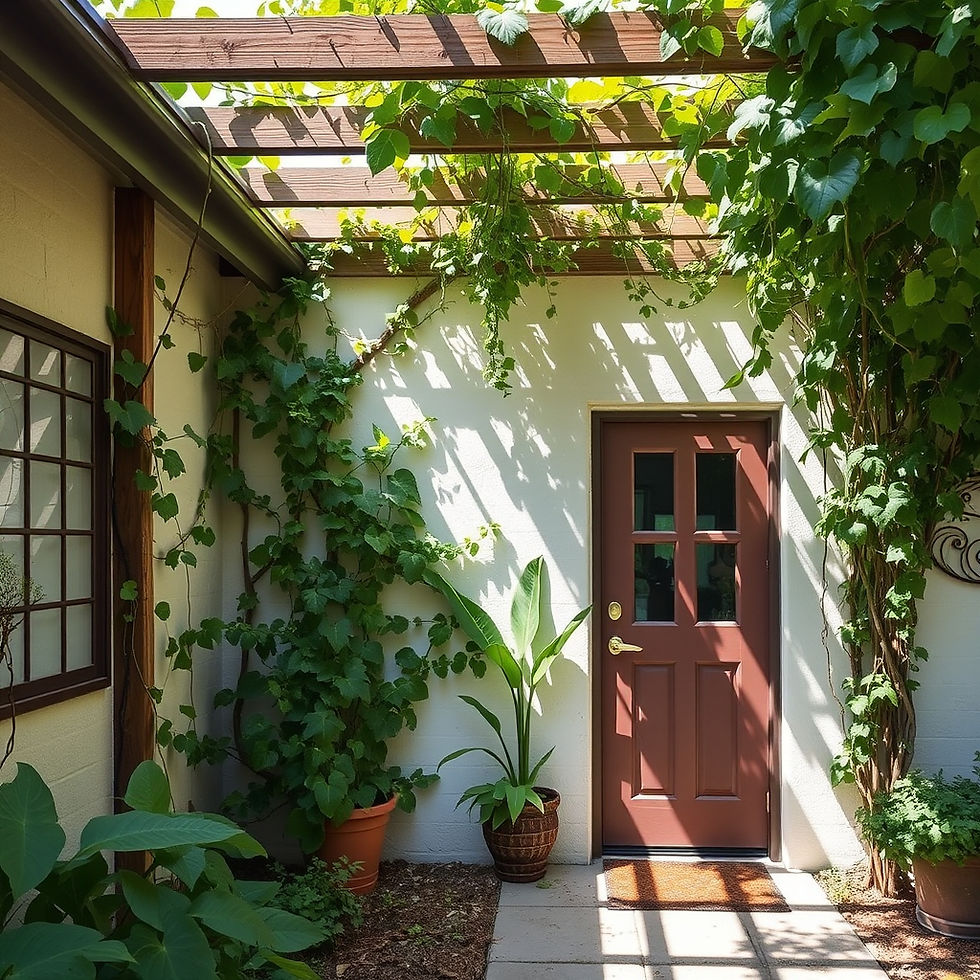
External wall insulation and light finishes cut heat transfer. Add vertical shading like pergolas or louvres on sunny facades. Planting vines on trellises creates a living shade layer that cools walls naturally.
Natural ventilation tips for hot climates
Cross ventilation basics
Position openings so air can flow from one side of the home to the other. Align windows and vents at different heights to create a natural breeze. Use transoms or ventilators above doors to keep airflow even when privacy is needed.
Night flushing and thermal mass
Use cooler night air to flush heat absorbed by walls and floors. Heavy materials like stone or concrete absorb heat during the day and release it at night. Combine thermal mass with night ventilation for best results.
Practical interior tips and landscaping
Window treatments and furniture layout
Use reflective films or blinds to reduce solar gain.
Keep heat-generating appliances away from living areas.
Choose light-coloured upholstery and rugs to reflect heat.
Landscape for cooling
Trees and shrubs create shade and cool the air through evapotranspiration. Place deciduous trees to shade summer sun while allowing winter light. Use water features or shaded courtyards in balconies or terraces to lower ambient temperature.

Low-cost upgrades for renters and apartment owners
If you rent, you can still use passive cooling techniques for Indian homes. Add removable solar-reflective blinds, use breathable curtain fabrics, and place plants near windows. Small vent fans and door transoms can improve airflow without structural changes.

Conclusion
Passive cooling is practical and effective. Combining roof and wall ideas with smart ventilation and landscaping gives real comfort gains. Start with a few simple changes and measure the difference in comfort and bills.
Looking to transform your space? Contact Verb Interior today.


