
Pune Bedroom Makeover Guide Create a Cozy Personal Retreat
A bedroom makeover succeeds when the room feels calm at 10 pm and still works at 7 am. That sounds simple, but Pune homes often have to handle heat, monsoon dampness, compact layouts, rental limits, and busy routines in the same space.
The good news is that a beautiful bedroom does not need oversized furniture or expensive finishes. It needs a clear plan. Start with how the room should feel, match it to Pune’s climate, choose furniture with care, and then layer in textiles, lighting, and local touches. This guide walks through the makeover process with practical choices that suit homes in Baner, Balewadi, Kharadi, Viman Nagar, and across Pune.

Start by visualising the bedroom you want to come home to
Before buying anything, decide what kind of retreat the room should become. This keeps the makeover focused and prevents a common mistake: collecting pretty items that do not work together.
Ask one simple question first. Do you want a minimalist bedroom or a cosy bedroom?
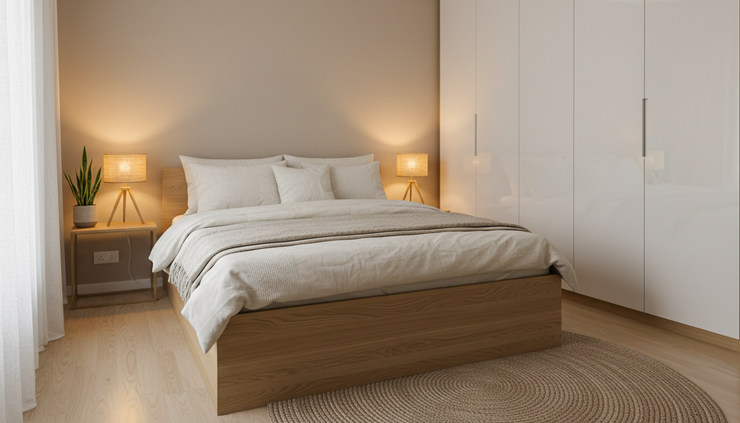
A minimalist bedroom uses fewer pieces, cleaner surfaces, and a quieter colour palette. It suits rooms where visual clutter feels stressful, or where the layout is small. A bed with built-in storage, two slim side tables, plain curtains, and hidden storage can make the room feel larger.
A cosy bedroom uses layers. Think soft curtains, textured bedding, a rug beside the bed, warm lamps, and personal objects that carry meaning. It works well if the bedroom doubles as a reading corner or evening wind-down space.
Neither style is better. The right style is the one that matches daily habits.
Next, study the room as it is now. A makeover becomes much easier when the layout is measured, not guessed. Note these details:
Where the door opens
Where the windows are placed
Which wall receives strong afternoon sun
Where plug points already exist
How wardrobes or storage units affect movement
Whether the room feels too dark, too warm, or too full
Pune homes can vary widely. A flat in Kharadi may have a compact bedroom with large windows and strong sunlight. A room in an older part of the city may have thicker walls, deeper window openings, and less built-in storage. The plan should respond to the room, not copy a showroom.
A useful rule is to keep pathways clear. Leave enough room to walk around the bed without turning sideways. If the wardrobe doors hit the bedside table, or if the bed blocks the balcony door, the room will feel irritating no matter how stylish it looks.
Make the bed the focal point. In most bedrooms, the bed is the largest object, so the eye naturally goes there first. Place it against the strongest wall, ideally where it feels grounded and easy to access. Once the bed sits well, the rest of the room becomes easier to arrange.
This is also the right stage to list needs for storage, lighting, and comfort. For example:
Extra storage for seasonal clothes and bedding
Better bedside lighting for reading
Darker curtains for sleep
A small dresser instead of a large dressing table
A chair or bench only if the room has space
This early thinking matters for anyone Transforming you Home Bedroom, because the best results come from solving real daily problems, not only changing colours.
Build a mood board before choosing colours and furniture
A mood board is a simple collection of colours, textures, furniture shapes, and room images that point in the same direction. It can be digital or physical. It does not need design training. It only needs consistency.
Start with five to seven references. Too many images can make the plan confusing. Choose pictures that show the feeling you want, then look for patterns. Are the walls light? Is the furniture warm wood? Are the curtains plain or patterned? Is the lighting soft or bright?
A good bedroom mood board usually includes:
Wall colour ideas
Bedding and curtain colours
Furniture finish
Lighting style
One or two accessory ideas
Flooring or rug texture
A small note on the overall feeling
Keep the mood board practical. If the room is small, choose references from small rooms. If the bedroom has limited natural light, avoid saving only bright, sun-filled images. Realistic references lead to better decisions.
For Pune bedrooms, materials and finishes should also respond to the weather. The India Meteorological Department describes the city’s climate as generally warm, with hot months before the monsoon, a wet monsoon period, and milder winter nights. That means a bedroom should feel airy in summer, resist dampness in the rains, and still feel warm enough in cooler months.
This is where the mood board helps. It stops the makeover from swinging between styles. If the board shows pale walls, natural fabrics, warm wood, and indoor plants, a glossy dark wardrobe may feel out of place. If the board shows deep earthy tones and layered textiles, a stark white room may feel too bare.

Choose colour schemes and lighting that suit Pune’s climate
Colour changes how a bedroom feels, but it also changes how the room handles light. In Pune, this matters because sunlight can be strong before the monsoon, while rainy days can make rooms feel dull.
Soft tones are a safe and effective starting point. They reflect light, make compact rooms feel more open, and create a restful background. Good options include:
Warm white
Soft beige
Pale grey
Muted sage
Dusty blue
Light terracotta
Calm cream
These shades work well because they are not harsh. A pure bright white can feel glaring in strong daylight, while very dark colours can make a small bedroom feel closed in. If a darker shade is preferred, use it behind the bed rather than on every wall.
For a Pune bedroom that receives afternoon sun, cooler tones such as pale blue, green, or soft grey can make the room feel fresher. For a room that feels dim, warmer tones such as cream, beige, or gentle peach can add comfort.
Lighting deserves the same care as colour. One ceiling light rarely creates a retreat-like bedroom. It may be bright enough for cleaning, but it often feels flat at night. Layered lighting works better because it gives the room different moods through the day.
Use three types of light where possible:
General light
A ceiling or wall light that brightens the whole room when needed.
Soft accent light
A low, warm glow near a shelf, corner, or dressing area.
Bedside light
A lamp or wall light near the bed for reading and winding down.
Natural light control
Curtains or blinds that reduce glare and add privacy.
Warm lighting usually feels more restful in bedrooms than cool white lighting. It gives bedding, wood, and wall colours a softer look. For reading, place the light beside or slightly behind the shoulder rather than directly overhead. This reduces glare and makes the bed more comfortable for evening use.
Curtains also matter in Pune. During summer, lined curtains can reduce harsh sunlight. During the monsoon, breathable fabrics and regular airing help the room feel fresher. If privacy is a concern in close apartment blocks, use a light sheer curtain in the day and a thicker curtain at night.
Choose furniture that protects space and improves comfort
Furniture should make the bedroom easier to use. If it makes movement harder, it is not the right piece.
Start with the bed size. A large bed feels luxurious, but only if the room can carry it. In a compact Pune flat, a slightly smaller bed with a good mattress and better side clearance may feel more comfortable than the largest size available. Comfort comes from the whole room, not the bed alone.
Place the bed where it feels balanced. The headboard wall should ideally be free from too many cuts, doors, or awkward corners. If two people use the room, access from both sides is helpful. If only one side is available, keep the open side generous.
Storage beds are popular for good reason. They help store spare bedding, winter wear, luggage, and festival items without adding extra cupboards. Still, check how the storage opens. Drawers need floor space. Lift-up storage needs easy access and should not be blocked by heavy rugs or low side tables.
Wardrobes need careful planning. Full-height wardrobes make better use of vertical space, especially in apartments. Sliding doors can help small rooms because they do not need swing space. By contrast, hinged doors are easier to open fully and can provide a clearer view inside. The better choice depends on the room width and daily habits.
Avoid filling every corner. A bedroom needs breathing space. One useful test is to stand at the entrance and look in. If the first impression is a maze of furniture, remove or resize something.
Good furniture choices for small and mid-sized bedrooms include:
A bed with storage
Slim bedside tables
Wall-mounted shelves instead of bulky units
A compact dresser with a mirror
A bench only if it does not block movement
A wardrobe planned up to the ceiling
Add textiles, accessories, and local elements with restraint
Textiles turn a functional bedroom into a retreat. They soften sound, add warmth, and make the room feel finished. Research on indoor comfort often notes that soft surfaces can reduce echo and improve perceived comfort, which is easy to notice in bedrooms with bare floors and plain walls.
Begin with bedding. Cotton works well for Pune because it is breathable and easy to maintain. Linen blends, handwoven textures, and light quilts can also suit the weather. Keep the base simple, then add colour through cushions or a throw.
For summer, choose lighter fabrics and fewer layers. During the monsoon and winter, bring in a textured throw, thicker curtains, or a soft rug beside the bed. This seasonal approach keeps the room comfortable without a full redesign.
Accessories should feel personal, not crowded. A bedroom retreat benefits from a few meaningful pieces:
A framed local artwork
A ceramic lamp
A woven basket for throws
Indoor plants placed near natural light
A bedside tray for daily essentials
A simple mirror to bounce light
Local elements can make the room feel rooted in Pune without turning it into a theme. Consider handmade pottery, locally woven textiles, bamboo or cane details, or artwork inspired by nearby hills and old city architecture. These touches add character and support craft-led choices when bought thoughtfully.
Sustainable choices also fit well in bedroom makeovers. Reuse a solid wood bed instead of replacing it. Refinish an old side table. Choose natural fabrics where practical. Donate items that still have life. The most sustainable makeover is often the one that buys fewer, better items.
Plants are another easy addition, but choose them based on available light. Place them near windows rather than in dark corners. Use trays under pots to protect flooring and furniture, especially during the monsoon.
Keep surfaces easy to clean. Pune’s dry months can bring dust, while the rainy season can make closed rooms feel musty. A calm bedroom should not require daily effort to maintain. Closed storage, washable fabrics, and fewer decorative pieces help the room stay fresh.
Frequently asked questions
What is the best colour for a Pune bedroom?
Soft, light colours work well in many Pune homes. Warm white, beige, muted green, pale blue, and cream help reflect light and keep the room calm. Use deeper shades on one wall if the room has enough natural light.
How can a small bedroom feel bigger?
Choose furniture with storage, keep walkways clear, use lighter wall colours, and avoid bulky side tables. A mirror placed opposite or near a window can also help spread natural light.
What lighting is best for a cosy bedroom?
Use more than one light source. A ceiling light, bedside lamps, and one soft accent light create a warmer mood than a single bright light. Warm light is usually better for relaxing at night.
How do I make my bedroom suitable for the monsoon?
Use breathable fabrics, air the room when possible, keep furniture slightly away from damp walls, and avoid overfilling wardrobes. Washable curtains and easy-to-clean rugs are practical during rainy months.
Can I makeover a rented bedroom without permanent changes?
Yes. Use freestanding furniture, curtains, bedding, rugs, lamps, removable hooks where allowed, and framed art. These changes can shift the mood of the room without major work.

A Pune bedroom makeover works best when every choice supports rest, storage, and daily comfort. Begin with a clear vision, build a mood board, choose climate-friendly colours, plan furniture around movement, and finish with textiles and personal details.
For a more guided makeover plan, explore bedroom interior design ideas for your home. A personal retreat is not built by adding more. It is built by choosing well.


