
Cooling Paint Colours for Indian Homes to Beat the Heat
Paint will not replace good ventilation or an efficient air conditioner, but it is one of the smartest first steps for a cooler Indian home. In a country where many cities face long, harsh summers, wall colour is more than decoration. It affects how much heat a room absorbs, how bright it feels, and how hard fans and cooling appliances need to work.
My view is simple: Indian homes should treat paint as part of their cooling plan, not as a final cosmetic layer. The right shade, finish, and placement can make rooms feel calmer and less heat-trapped, especially in flats, top-floor homes, west-facing rooms, and houses with exposed external walls.
That does not mean every home must become plain white. Good cooling design still leaves room for texture, contrast, and personality. The trick is to use cooler, lighter colours where they matter most, then add accents with care.
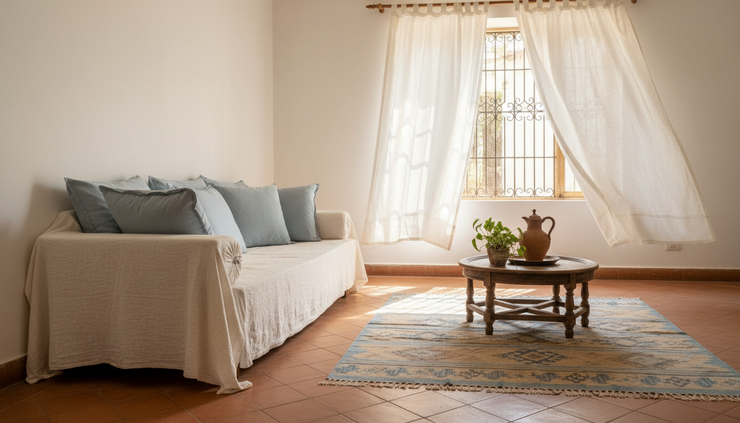
Paint matters because walls behave like heat storage
Anyone who has touched a sun-facing wall in May knows the problem. Walls and ceilings do not just sit there. They absorb heat, hold it, and slowly release it into the room.
This happens in two main ways.
Sunlight enters through windows and falls on interior surfaces. Darker walls, floors, and furniture absorb more of that light. The room then feels hotter, even if the air temperature has not changed much.
External walls and roofs also absorb solar heat from outside. This is especially noticeable in:
Top-floor flats under exposed terraces
West-facing bedrooms that heat up in the afternoon
Independent houses with large external walls
Rooms with little cross-ventilation
Kitchens that already generate heat from cooking
Paint cannot stop summer. It can, though, change how surfaces respond to it.
A dark maroon or charcoal wall may look dramatic in a catalogue, but in a hot room it can work against comfort. A pale blue, soft white, light sage, or cool grey reflects more light and absorbs less heat. Over a large wall or ceiling, that difference matters.
This is why Cooling Paint Colours for Indian Homes should not be chosen only under showroom lighting. They should be judged in the actual room, at the hottest time of day, with the curtains open.
Lighter colours are not boring, they are practical
There is a common fear that cooling colours will make a home look cold, plain, or unfinished. That fear is understandable, but it is usually based on poor shade selection rather than the colour family itself.
A white wall can look harsh if it has a blue glare under strong sunlight. A beige wall can look dull if it has a muddy undertone. A pale green can look hospital-like if chosen too sharp. But well-balanced light colours are some of the most liveable choices for Indian homes.
The best cooling shades tend to be soft, muted, and slightly dusty rather than bright and clinical.
Good options include:
Warm off-white with a soft cream undertone
Pale blue with a grey base
Mint green toned down with white
Light sage or eucalyptus green
Cool greige for modern flats
Pearl grey for bedrooms and study areas
Very pale lavender for low-glare calmness
These shades reflect more light than deep colours, but they do not feel empty. They create an airy backdrop for wood, cane, brass, plants, handloom fabrics, and patterned tiles.
For Indian homes, this matters. Many interiors already have strong visual elements, such as carved furniture, colourful cushions, stone floors, artwork, pooja corners, or patterned curtains. A lighter wall lets these details stand out without adding heat load.

The ceiling deserves more attention than the feature wall
If there is one paint decision many homes get wrong, it is the ceiling. People spend weeks debating an accent wall, then paint the ceiling with whatever standard white is available.
That is a missed opportunity.
Ceilings receive and reflect a lot of light. In top-floor homes, they can also sit directly below a hot roof slab. A brighter, reflective ceiling finish can make a room feel more open and reduce the sense of trapped heat.
For bedrooms and living rooms, a clean white or very pale cool tint works well. If pure white feels too stark, choose an off-white with a gentle neutral base. Avoid dark false ceiling panels in hot rooms unless the room has excellent climate control.
A dark ceiling can look stylish in restaurants and show homes. In a compact Indian bedroom, it often feels lower, heavier, and warmer. That may be fine for a media room used at night, but it is usually a poor choice for a sunny bedroom.
The same rule applies to balconies, verandahs, and semi-covered spaces. Light-coloured overhead surfaces can reduce the harshness of reflected heat and glare.
Heat-reflective paints are worth considering, but choose carefully
Regular light-coloured paint can help. Heat-reflective paint can go further, especially on external walls, terraces, and sun-facing rooms.
These paints use reflective pigments or additives designed to reflect more solar radiation, including part of the infrared spectrum. In plain language, they aim to reduce how much heat the painted surface absorbs.
The best heat-reflective interior paints in India are usually marketed with claims around surface temperature reduction, solar reflectance, or thermal comfort. Some are made for exterior use, while others are suitable for interiors. Read the product details carefully, because terrace coating, exterior emulsion, and interior wall paint are not the same thing.
Look for:
Clear information on heat-reflective or solar-reflective properties
Suitable use for interior, exterior, roof, or terrace surfaces
Washability for interior walls
Resistance to fungus and dampness where needed
Low-odour or low-VOC options for occupied homes
A warranty that matches the surface and exposure
A reflective paint is not magic. It will perform best when the surface is properly prepared and when the colour is reasonably light. A dark shade with a reflective formula may still absorb more heat than a pale shade.
Think of heat-reflective paint as a useful upgrade, not an excuse to ignore colour choice.
Finish matters almost as much as shade
Colour gets most of the attention, but finish changes how a room feels.
Matte finishes are popular because they hide wall imperfections and reduce glare. They look elegant, especially in bedrooms and living rooms. The drawback is that some matte paints can hold dust more easily and may not reflect light as strongly as smoother finishes.
High-gloss finishes reflect light, but they can create glare, show surface flaws, and look too shiny on large walls. In strong Indian sunlight, glossy walls can feel visually harsh.
For most homes, a satin, eggshell, or low-sheen washable emulsion is a sensible middle path. It reflects light better than a flat matte finish while staying softer than gloss.
Use finish strategically:
Bedrooms work well with matte or low-sheen pale colours
Living rooms often suit washable low-sheen emulsions
Kitchens need washable, stain-resistant light colours
Children’s rooms benefit from durable, cleanable finishes
Ceilings usually look best in flat or soft reflective whites
Paint should feel pleasant in daily life. A finish that looks good only on day one is not a good finish.

Accent colours should support comfort, not fight it
I am not against accent walls. I am against using them without thinking about heat.
A deep terracotta wall behind a bed can look beautiful. A navy wall in an air-conditioned lounge may feel rich and intimate. A mustard alcove can bring warmth to a dining corner. The problem starts when these strong colours cover large sunlit surfaces.
A better approach is to keep large areas cool and light, then use deeper colours in smaller zones.
For example, a living room can have pale greige walls, a cool blue-grey feature panel, and warm rust cushions. A bedroom can use soft sage walls with a deeper olive bedhead section. A kitchen can stay light cream with teal tiles or cabinet accents.
This gives the room character without making every wall absorb more heat.
Good places for warmer or darker accents include:
Headboard panels away from direct sun
Niches and shelves
Furniture rather than full walls
Cushion covers and rugs
Small entrance walls
Artwork and frames
Bad places for dark accents include large west-facing walls, balcony-facing walls with direct sun, low-ceiling rooms, and top-floor bedrooms without good insulation.
Room-by-room choices make more sense than one colour for the whole home
Many Indian homes are painted in one shade throughout because it feels safe and economical. That can work, but summer comfort improves when each room is judged by its heat exposure.
Bedrooms need calm, cool colours
Bedrooms should cool down quickly in the evening. This is where pale blues, muted greens, lavender-grey, and soft whites work best. Avoid strong reds, dark browns, and heavy greys on large walls. They can make the room feel closed in.
A reflective or bright ceiling is especially useful in bedrooms. If the room faces west, keep the wall opposite the window light, because that surface receives strong reflected sunlight.
Living rooms need balance
Living rooms often need to look welcoming for guests while staying comfortable for daily use. Light neutrals are ideal here. Try off-white, pale greige, soft stone, or cool beige. Add colour through cushions, rugs, plants, and artwork.
If a feature wall is needed, choose a cool-toned accent. Blue-grey, muted teal, or sage can add depth without feeling hot.
Kitchens need washable light paint
Kitchens already deal with heat, oil, and moisture. Dark colours may hide stains at first, but they can make the room feel warmer and smaller. A washable light-reflective paint is usually the better choice.
Soft cream, pale grey, light mint, or off-white work well. Pair them with easy-clean tiles behind the hob.
Children’s rooms need durable cooler shades
Bright primary colours can be stimulating, but they can also feel intense in hot weather. Use light, cheerful shades on walls and stronger colours in furniture, storage, and bedding. Washable paint is more useful here than delicate designer finishes.
The counterargument says appliances matter more than paint
The obvious counterargument is true in part. A good fan, shade, ventilation, insulation, and efficient air conditioner will often have a larger effect than paint alone.
Paint cannot fix a badly insulated roof. It cannot overcome a room with no airflow. It cannot make a dark, sealed flat feel fresh during a heatwave.
But that is not a reason to dismiss paint. It is a reason to place paint in the right category. Paint is a passive cooling measure. Once applied, it works quietly every day, with no electricity and no behaviour change.
That makes it valuable.
A sensible cooling plan for an Indian home should combine several small choices:
Light or reflective paint on sun-facing surfaces
Curtains or blinds that block harsh afternoon sun
Cross-ventilation during cooler hours
Roof or terrace treatment where possible
Fans placed for proper air movement
Efficient cooling appliances used only when needed
Paint is not the whole answer. It is one of the easiest answers to get right.

Application quality decides whether the paint performs well
Even the best shade can disappoint if the surface is poorly prepared. A rough, dusty, patchy wall reflects light unevenly and ages faster.
Before painting, repair cracks, remove flaking paint, treat damp patches, and clean the surface. Use the recommended primer. Apply the number of coats the manufacturer suggests. For exterior walls, do not ignore waterproofing needs, because dampness can damage both appearance and performance.
Maintenance also matters. Dusty, faded, or stained surfaces reflect less light. Interior walls should be cleaned according to the paint type. Exterior walls should be inspected after the monsoon, especially on sun-facing and rain-exposed sides.
Repainting is not just about freshness. It can restore reflectance and make a home feel brighter again.
Budget should follow heat exposure
Heat-reflective paints can cost more than standard emulsions. That does not mean every wall needs the premium option.
Spend where the heat comes from.
For many homes, the best return comes from treating:
Roof-facing ceilings in top-floor flats
West and south-west external walls
Rooms with large windows
Balconies and semi-open areas
Bedrooms that stay hot after sunset
Kitchen walls that need washable light finishes
Less-exposed internal corridors and shaded rooms may only need a good-quality light emulsion. This selective approach keeps costs under control while still improving comfort.
Before buying, compare product claims, finish, washability, surface suitability, and warranty. If a product mentions thermal performance, look for clear technical data rather than vague promises. When in doubt, test a small patch and observe it in natural light.
FAQ
Which paint colour keeps a room coolest in Indian summers?
Soft white is usually the safest cooling colour because it reflects more light than darker shades. Pale blue, light sage, cool grey, and muted mint are also good choices, especially for bedrooms and sunny rooms.
Are heat-reflective paints useful for interiors?
Yes, they can be useful, especially for rooms with strong sunlight or walls that heat up during the day. Check whether the product is meant for interiors, and pair it with a light colour for better results.
Should I paint my exterior walls white?
White can reduce heat absorption, but it may show dust and stains more easily. Off-white, pale cream, light grey, and pastel shades often give a better balance of cooling, appearance, and maintenance.
Is matte paint cooler than glossy paint?
Matte paint reduces glare and looks soft, but smoother low-sheen finishes may reflect light better and clean more easily. For most Indian homes, satin or low-sheen washable paint is a practical choice.
Can paint reduce electricity bills?
Paint alone will not guarantee lower bills, but cooler surfaces can reduce heat gain. When combined with shading, ventilation, and efficient appliance use, smart paint choices may help reduce cooling demand.
A cooler home starts with the surfaces you already have
Indian summers make every design decision work harder. Paint is not a miracle cure, but it is too powerful to treat as decoration alone. Large surfaces shape indoor heat, light, and comfort every single day.
Choose lighter colours for big walls. Keep ceilings bright. Use heat-reflective paint where sun exposure is severe. Save dark and warm colours for smaller accents. Prepare surfaces well, and spend more on the rooms that suffer most.
A cooler home does not always need another appliance. Sometimes it starts with a better shade on the wall.


